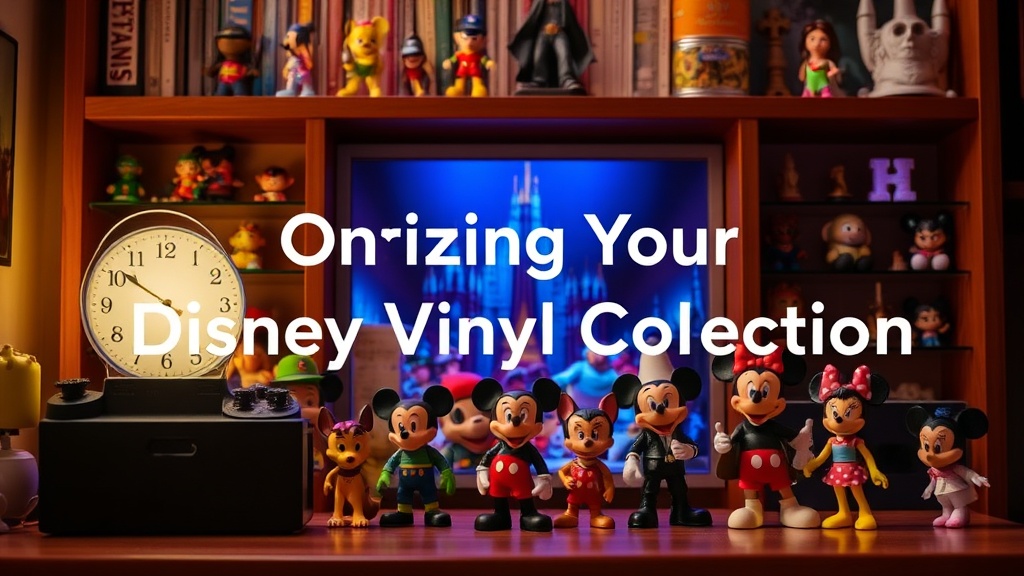
Organizing Your Disney Vinyl Figure Collection

You pull a cardboard box out from under your bed, hoping to find that one specific Disney Doorables Glitter Edition figure you've been hunting for, only to find a tangled mess of loose vinyl, half-opened packaging, and way too much dust. This is the reality for many collectors who start with a small shelf and end up with a mountain of plastic. Organizing a Disney vinyl figure collection requires a balance between visual appeal and physical protection. This post covers practical methods for categorizing your figures, the best display hardware for different scales, and how to manage your inventory so you actually know what you own.
Vinyl figures—ranging from the tiny, high-detail Disney Doorables to the larger, more substantial Funko Pop! or Disney Designer collections—occupy a strange middle ground in the collecting world. They aren't quite heavy statues, but they aren't quite small trinkets either. Because they vary so wildly in size, a "one size fits all" approach usually leads to broken limbs or cluttered shelves.
How Should You Categorize Your Disney Vinyl Figures?
The best way to categorize your collection is by grouping items by brand or series rather than just size. While it's tempting to group all "small" things together, a Disney Doorables figure looks much better when it's grouped with its specific series peers rather than a random assortment of larger vinyl toys. This keeps the visual aesthetic consistent and makes it easier to spot gaps in your collection.
I recommend using one of these three primary categorization methods:
- By IP (Intellectual Property): Group all your Mickey Mouse figures together, then your Star Wars collection, then your Marvel pieces. This is the most intuitive way to browse your shelf.
- By Manufacturer: If you collect Disney Designer Dolls alongside Funko Pop! Disney releases, keep them in separate zones. Their scales are different, and mixing them can make a display look disorganized.
- By Release Type: Keep your "blind box" unboxed figures in one area and your "confirmed" or high-value pieces in another. This helps you manage your budget and prevents accidental damage to more expensive items.
Grouping by IP is usually the most satisfying. There's something deeply rewarding about seeing a dedicated "Toy Story" section that looks intentional rather than accidental. It turns a shelf of toys into a curated gallery.
What Are the Best Display Options for Vinyl Figures?
Acrylic tiered risers and specialized display cases are the gold standard for showing off vinyl figures without cluttering your space. If you have small items like Disney Doorables or even the tiny Disney Tsum Tsum vinyls, a flat shelf won't work—the figures in the back will be completely hidden. You need depth and height.
Here is a breakdown of common display types and when to use them:
| Display Type | Best For... | Pros | Cons |
|---|---|---|---|
| Acrylic Tiered Risers | Small/Medium Figures (Doorables, Tsum Tsum) | Creates depth; very affordable. | No protection from dust. |
| Glass Display Cabinets | High-Value/Limited Edition Pieces | Full 360-degree view; dust protection. | Heavy and expensive. |
| Floating Shelves | Large Vinyl (Funko Pop!, Large Statues) | Modern look; saves floor space. | Harder to rearrange frequently. |
| Shadow Boxes | Miniature Collections | Compact; looks like wall art. | Very limited capacity. |
One thing to keep in mind is the weight. If you're using floating shelves for your heavier vinyl figures, make sure you aren't overloading the bracket. A heavy collection can actually pull a shelf out of the wall if you aren't careful. It's a mistake I've seen far too many people make when they first start expanding their displays.
If you're worried about the environment, remember that light is your enemy. UV rays can cause the vibrant colors of Disney vinyl to fade over time. If your shelves are near a window, you might want to look into UV-resistant glass or films. Just as you would protect your Disney pins from fading, your vinyl figures need a safe environment to maintain their luster.
How Do You Prevent Dust Buildup on Small Figures?
The most effective way to prevent dust buildup is to use enclosed display cases or airtight acrylic boxes. If you prefer the look of open shelving, you'll need to commit to a regular cleaning schedule to prevent the "dust bunny" effect that settles in the crevices of small figures.
Dust is a collector's nightmare. It settles in the ears of Mickey, the crevices of Stitch, and the base of every figure. If you don't manage it, it can actually become abrasive. I've seen people try to clean their collections with a heavy-duty spray, which is a mistake—never use harsh chemicals on vinyl. It can strip the paint or make the surface tacky.
Instead, use a soft-bristled makeup brush or a dedicated anti-static brush. A quick swipe once a week is much easier than a deep clean once a year. If you have a collection that is particularly delicate or small, you might find that even a small amount of dust can make the pieces look aged and dull. For those with very small, high-value items, I suggest looking into the history of vinyl toys to understand how different plastics react to environmental factors—some are much more prone to surface degradation than others.
If you're also collecting other soft goods, make sure you aren't storing them in the same open-air environment. For example, if you're a collector of both vinyl and plush, you'll want to keep them separate. You can learn more about cleaning your plush collections to ensure your whole room stays looking sharp.
Where Should You Store Unboxed Figures?
Unboxed figures should be stored in a cool, dry place, ideally in a container that prevents them from knocking against one another. If you're storing them in a bin rather than on display, use soft dividers or bubble wrap to prevent "paint rub."
When you aren't displaying your collection, the way you pack it matters. I've seen many collectors lose money on their collections because they stored unboxed figures in a way that caused them to melt together or scratch. This often happens in hot attics or garages. Heat is the enemy of vinyl; it can cause the material to soften and lose its shape. Always keep your "backstock" in a climate-controlled area of your home.
A few tips for storage:
- Avoid Heat: Never store your Disney figures in a garage or an attic. The temperature fluctuations are too extreme.
- Use Soft Dividers: If you're using a plastic bin, use cardboard or foam dividers to keep figures from clashing.
- Inventory Tracking: If you have a large collection, keep a digital spreadsheet. It's much easier to know what you have when you're at a convention or a store if you can quickly check your list.
It’s easy to get carried away. You start with one shelf, and suddenly you're looking at a dedicated room. The key is to build your storage alongside your collection. Don't wait until you have 100 unboxed figures in a cardboard box before you decide to buy a display case. Buy the display as you grow, so the transition from "box" to "shelf" is seamless.
One thing I've learned: your collection is an investment in your own joy. Whether you're a serious investor or just a casual fan, the way you treat your items determines how long that joy lasts. A well-organized shelf isn't just about looking good for guests—it's about being able to enjoy your favorite characters without the stress of a messy or damaged collection.