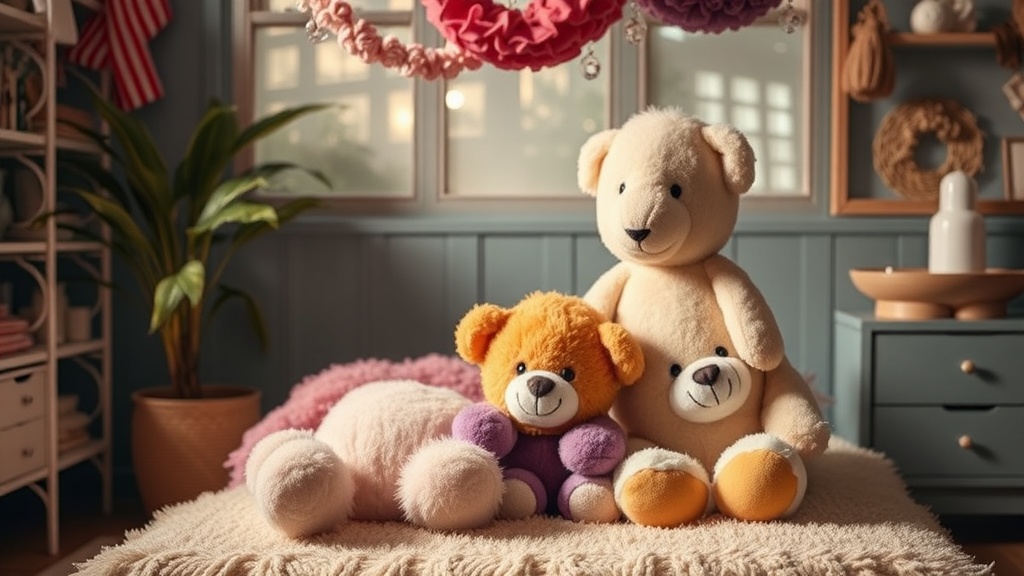
Cleaning Your Plush Collections Without Losing the Softness

Have you ever looked at your favorite Disney Parks plush or a vintage 1990s Disney Store stuffed animal and realized it looks a bit... tired? Dust, oils from handling, and even general humidity can make even the softest plushies look matted or dingy over time. This guide explains how to clean your Disney collectibles safely, focusing on different methods for different types of fabric and construction to ensure you don't ruin the softness or the structural integrity of your items.
How Do I Clean a Disney Plush Without Ruining It?
The safest way to clean a Disney plush is to start with the least invasive method possible, which is usually a gentle spot treatment or a light vacuuming.
Before you reach for the laundry room, identify the material. Is it a standard polyester plush? A delicate knit? Or perhaps a vintage piece with a fragile interior? Knowing this dictates whether you use a damp cloth or a full soak.
The Step-by-Step Approach to Gentle Cleaning:
- Dust Removal: Use a soft-bristled brush or a vacuum with a mesh screen over the nozzle to remove surface dust. This prevents "muddying" the fabric when you add moisture later.
- Spot Cleaning: For small stains, use a tiny amount of mild detergent and a damp cloth. Rub gently in a circular motion.
- Full Cleaning: If the item is heavily soiled, use the "sink method" described below.
- Drying: Always air dry. Never use a tumble dryer for Disney plushies.
If you are dealing with something more fragile, like a headband or a highly detailed accessory, you might want to check out my previous post on keeping your Disney Parks ears pristine to see how I manage delicate textures. The logic is similar—gentle handling is the name of the game.
Can I Put My Disney Plush in the Washing Machine?
You can put a Disney plush in the washing machine only if it lacks delicate parts like sequins, electronic components, or rigid internal structures. If your plush is a simple, sturdy character like a standard Mickey Mouse or a basic Tsum Tsum, a machine cycle might work, but you must use the most delicate settings available.
Most collectors avoid the machine because the agitation can cause "pilling" or cause the stuffing to clump up. Once the stuffing clumps, that "fluffy" feeling is gone forever. If you must use a machine, place the plush inside a mesh laundry bag to provide an extra layer of protection against the drum.
Machine vs. Hand Washing Comparison
| Method | Best For... | Risk Level | Effect on Softness |
|---|---|---|---|
| Vacuum/Brush | Light dust and surface debris | Very Low | Maintains original texture perfectly. |
| Hand Wash (Sink) | Medium stains or general grime | Low | Safest way to preserve fluff. |
| Machine Wash | Large, sturdy, non-delicate items | Medium/High | Risk of matting or clumping. |
A quick warning: If your plush has a battery pack or electronic sounds (like a singing plush), do not submerge it. Water and electronics are a bad mix, and you'll ruin the internal mechanism instantly.
For more technical details on fabric care and how different fibers react to moisture, you can check the Wikipedia page on textile care. It’s a great resource for understanding how different materials behave under stress.
How Do I Get Rid of Smells in My Stuffed Animals?
Baking soda is your best friend when it comes to removing odors from Disney collectibles. If your plush has a "musty" smell from sitting in a storage bin, you don't necessarily need to wet it down to fix the issue.
The process is simple: place the plush in a large, sealable bag with a cup of baking soda. Shake it gently (don't be too aggressive!) and let it sit for 24 to 48 hours. The baking soda absorbs the odors and moisture. After that, vacuum the powder off using a brush attachment. It's a much safer alternative to washing when you're worried about the fabric's integrity.
This is particularly helpful for vintage items where the fabric might be prone to shrinking or losing its shape. It's a way to refresh the item without the risk of a full soak. I've found this works wonders for older, more "fragile" feeling Disney items that have a bit of a vintage scent.
Common Mistakes to Avoid
It's easy to get over-eager when trying to make a collection look brand new. However, a little goes a long way. Here are a few things you should definitely avoid:
- Avoid High Heat: Heat is the enemy of synthetic fibers. It can melt the fine fibers of a plush, making it feel scratchy or "crunchy."
- Don't Use Harsh Chemicals: Avoid bleach or heavy-duty cleaners. They can strip the color from the fabric and even damage the eyes or nose of the character.
- Don't Over-Wet: If the stuffing gets too wet, it can take days to dry, which might lead to mold or mildew growth inside the toy.
If you're a collector of hard goods too, you'll know that even small mistakes can have big consequences. Just as you'd protect your Disney pins from fading, you should treat your plushies with the same level of care and respect for their material composition.
When it comes to drying, I always suggest the "towel roll" method. After washing, lay the plush on a clean, white towel and roll it up like a burrito. This absorbs the excess water without the need for squeezing or wringing, which can distort the shape of the toy. Then, let it air dry in a well-ventilated area away from direct sunlight. Sunlight can actually bleach the colors out of your Disney characters if left out too long.
The goal is to keep your collection looking as good as the day you brought it home. Whether it's a small souvenir from a trip to Disneyland or a high-end collector's piece, a little bit of careful maintenance goes a long way in preserving that magic.
Steps
- 1
Spot Test for Fabric Sensitivity
- 2
Gentle Hand Washing Method
- 3
Air Drying for Maximum Volume