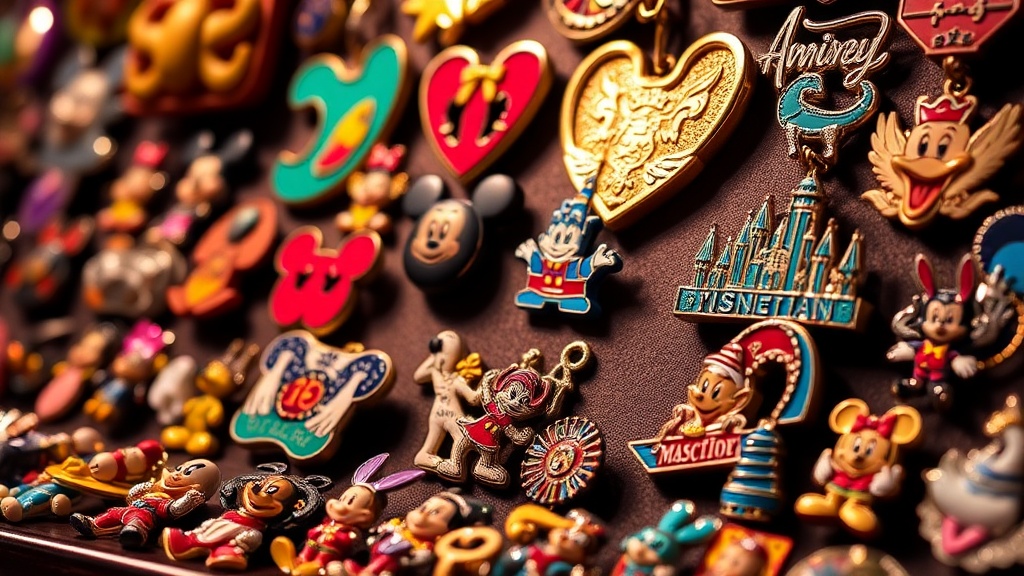
Why Your Disney Pins Look Dull—And How Serious Collectors Keep Them Gleaming

Most collectors assume that once a Disney trading pin goes into a display case or lanyard, it stays pristine forever. That's simply not true—metal pins are surprisingly high-maintenance items that tarnish, fade, and lose their luster faster than you'd expect. Whether you've got a modest starter collection of twenty pins or a vault-worthy assortment numbering in the thousands, understanding proper cleaning and storage techniques will protect your investment and keep those enamel colors popping for years to come.
Do Disney Pins Actually Tarnish or Lose Color Over Time?
Yes—and more quickly than most people realize. Disney pins are typically made from a zinc alloy base with electroplated finishes (gold, silver, or black nickel) and hard enamel or soft enamel fills. Each of these materials reacts differently to environmental factors, and none of them are immune to degradation.
Hard enamel pins—the premium variety you'll find in limited releases and cast exclusives—have a smooth, polished surface that's actually more resistant to scratching. However, the metal plating surrounding that enamel is highly susceptible to tarnishing when exposed to air pollutants, humidity, and even the natural oils on your fingers. Soft enamel pins, while more affordable and common in open-edition releases, have recessed enamel areas that trap dust and grime like nobody's business.
The electroplated finishes aren't solid precious metals—they're microns-thin layers that can wear through with repeated handling. Once that base metal starts showing through, there's no going back. I've seen collectors destroy $200+ grail pins by obsessively polishing them with the wrong materials. Less is definitely more when it comes to maintenance.
What's the Safest Way to Clean Disney Pins Without Damaging Them?
First rule: never submerge your pins in water. It sounds counterintuitive—water cleans everything else, right?—but moisture seeps into the microscopic gaps between enamel and metal, causing corrosion from the inside out. Instead, work with a barely-damp microfiber cloth and a mild dish soap solution.
Start by removing surface dust with a soft, dry makeup brush or canned air. For the actual cleaning, mix one drop of unscented dish soap into a cup of distilled water. Dampen (don't soak) your cloth and gently wipe the pin's surface. Follow immediately with a dry section of the cloth. Work in small sections, and never let moisture sit on the metal plating.
For stubborn grime in recessed areas of soft enamel pins, a cotton swab lightly dampened with rubbing alcohol works wonders—but test it on the pin's edge first. Some cheaper finishes can react poorly. Toothpicks wrapped in a tiny bit of cloth can reach into tight spaces without scratching surrounding metal. Patience beats brute force every single time.
Never use metal polishes like Brasso or silver cleaners on Disney pins. These products are designed for solid metal items and will strip that delicate electroplating faster than you can say "limited edition." The same goes for ultrasonic jewelry cleaners—the vibrations can loosen enamel fills and damage attachment posts.
How Should You Store Pins to Prevent Long-Term Damage?
Storage strategy depends on whether your pins are actively traded or permanently displayed. For traders—those pins that cycle through your collection and get handled regularly—Velcro pin pages in a zippered binder offer the best balance of protection and accessibility. Look for pages specifically designed for pin collecting; standard trading card sleeves are too small and can crush attachment posts.
Display collections require more environmental control. Acrylic cases with UV-filtering properties are worth the investment—direct sunlight will fade enamel colors within months, and fluorescent lighting isn't much better. If you're using a shadow box or display case, add silica gel packets to control humidity. Replace them every few months when they change color (most indicator packets turn from blue to pink when saturated).
Never store pins in plastic bags, even "archival" ones. Plastic can trap moisture and off-gas chemicals that accelerate tarnishing. For high-value pieces, consider individual acid-free cardboard holders—the same ones coin collectors use. They provide structure, prevent scratching, and allow air circulation.
Wall displays look fantastic, but keep them away from kitchens and bathrooms. Cooking oils and steam are pin killers. I learned this the hard way when a beautifully framed Pirates of the Caribbean set started showing corrosion spots within six months of hanging near my galley kitchen. Now my display wall is in the living room—away from moisture, heat sources, and direct light.
Handling Tips That Make a Real Difference
The oils on your fingers are more damaging than you'd think—especially for gold-plated finishes. Always handle pins by their edges, never the face. If you're trading at the parks (when that returns in full force), keep a microfiber cloth in your bag for quick wipe-downs before storing new acquisitions.
Don't overlook the rubber or metal pin backs—they're part of the collectible too. Rubber Mickey backs can dry out and crack; metal butterfly clasps can rust. Store extras in small compartmentalized containers and replace worn backs before they scratch adjacent pins.
For serious collectors, documenting your collection's condition matters. Take well-lit photos when you acquire a pin, note any existing wear, and track storage conditions. If you ever sell or trade, this documentation proves you were a responsible steward—and can justify premium pricing for well-maintained pieces.
What About Rare or Vintage Pins—Do They Need Special Treatment?
Absolutely. Vintage Disney pins from the 1980s and early '90s often used different plating processes and enamel formulas that are more fragile than modern equivalents. The "Disney Auctions" pins from the early 2000s are notorious for developing a "green disease"—a verdigris-like corrosion on the zinc alloy base that spreads rapidly if not addressed.
For these older pieces, resist the urge to restore them aggressively. A light cleaning with a microfiber cloth is usually all that's safe. Any attempt to remove patina or corrosion on vintage pins should be left to professional conservators—yes, they exist for Disney collectibles, and serious collectors develop relationships with them.
Temperature stability matters enormously for vintage pins. Avoid attics, basements, and anywhere that experiences seasonal extremes. Ideal storage conditions are 65-72°F with relative humidity between 45-55%. That might sound obsessive, but consider that a pristine vintage Disney Auctions piece can sell for thousands—treating it like the investment it is just makes sense.
When to Accept Imperfection
Here's something the cleaning guides won't tell you: some wear is part of a pin's story. Factory defects, slight patina on genuine vintage pieces, and even minor handling wear from legitimate park trading add character. The goal isn't creating a sterile, untouched collection—it's preventing preventable damage while honoring the item's history.
That said, there's a difference between "character" and "neglect." Tarnish that obscures design details, rust that compromises structural integrity, or enamel that's clearly degraded from chemical exposure—these aren't charming patina. They're warning signs that your storage or handling methods need adjustment.
For additional guidance on proper care techniques, the Disney Pin Trading community offers extensive resources, and the collectible preservation experts at WorthPoint provide professional-grade advice on long-term storage solutions.
Collecting Disney pins is about more than accumulation—it's about stewardship. These small metal artworks represent moments in Disney history, artistic achievements, and personal memories. Treating them with respect through proper cleaning and storage isn't just about maintaining value (though that's certainly a benefit). It's about preserving these pieces for the next generation of collectors who'll treasure them just as much as you do.