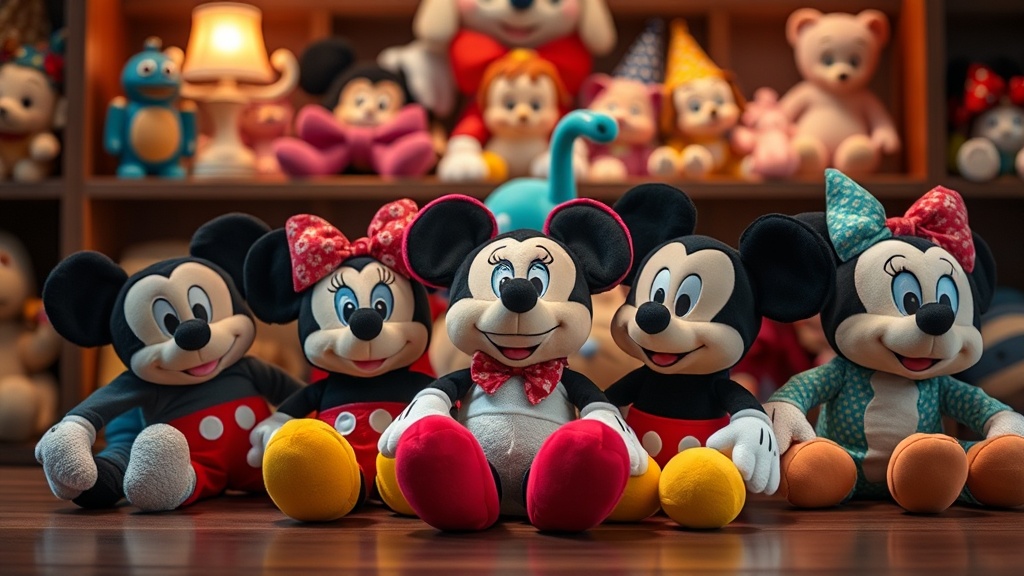
Keeping Your Disney Plush Collection in Mint Condition

Why does my Disney plush look different than when I bought it?
You finally tracked down that elusive, limited-edition Disney Parks plush, only to notice it looks a bit limp or dusty a few months later. It happens to the best of us. High-quality plushies—from the softest Disney Store Tsum Tsums to the heavy-duty weighted plushes—are susceptible to environmental factors that can change their texture, shape, and even color. This post covers the specific methods for cleaning, storing, and preserving your stuffed Disney friends so they stay as soft as the day you brought them home.
The problem often stems from two things: dust accumulation and gravity. If you leave a plush on an open shelf, it's a magnet for airborne particles. If you hang it or store it poorly, the stuffing can settle or become uneven. We'll look at how to combat these issues without ruining the delicate fabrics often used in Disney merchandise.
Is it safe to wash Disney plushes in a washing machine?
The short, blunt answer is: rarely. Most Disney-branded plush items—especially those from the Disney Store or high-end collector lines—are not designed to withstand the mechanical stress of a washing machine. The agitation can tear delicate stitching, and the water can clump the polyester fiberfill (the "stuffing"), leaving your character looking lumpy and sad.
If you must clean a plush, follow these guidelines based on the type of item:
- The Surface Spot Method: For minor spills or small spots, use a damp cloth with a tiny bit of mild detergent. Blot, don't rub. Rubbing can cause "pilling" or fuzziness on the fabric.
- The Dry Cleaning Route: For very high-value or vintage plushes, professional cleaning is your best bet.
- The Vacuum Method: If you just have surface dust, use a vacuum with a brush attachment. Place a thin piece of nylon stocking over the nozzle to prevent the vacuum from accidentally sucking up small parts like eyes or nose embellishments.
For those wondering about the actual chemical makeup of these toys, the Toy Industry often discusses the safety and material standards for plush toys, which emphasizes why harsh chemicals should never touch the fabric.
How do I store Disney plushes to prevent flattening?
If you have a large collection, you might be tempted to cram them all into a single large bin. Please, resist the urge. Compressing a plush for long periods is the fastest way to ruin its shape. When you squash a plush under the weight of other items, the fibers in the stuffing can break or become permanently compressed.
Here is a better way to organize your collection:
- Avoid Large Bins: Instead of one giant box, use several smaller, shallower bins. This prevents the bottom layer from being crushed by the weight of the top layers.
- The Shelving Strategy: If you display your collection on open shelving, ensure they aren't stacked on top of one another. If you must stack, place the heaviest/densest plushes on the bottom and the lightest/softest on top.
- Airflow is Key: Avoid storing your collection in airtight plastic bags for long periods. While this keeps dust out, it can also trap moisture, which leads to a musty smell. You want a bit of breathability.
If you're looking for more information on the longevity of textile-based collectibles, the ISO (International Organization for Standardization provides various standards regarding textile durability and care that apply to many high-quality consumer goods.
Can sunlight damage my Disney plush collection?
Yes, and it's a silent killer. UV rays from direct sunlight are incredibly effective at breaking down fabric dyes. If you have a beautiful, vibrant Mickey Mouse plush sitting in a sunny window, you will eventually see the colors fade or even turn yellowish. This is especially true for darker fabrics or certain shades of red and blue.
To prevent this, keep your display areas away from direct light sources. If you use a display case, consider using UV-protected acrylic or glass. If your collection is in a room with lots of windows, using sheer curtains can make a massive difference. A faded plush isn't just a cosmetic issue; it's a value issue if you ever decide to part with your collection.
"A collector's greatest tool isn't a display case—it's a well-controlled environment."
Maintaining the structural integrity of your plushies involves more than just keeping them clean. It's about managing the environment they live in. Whether it's the humidity in your room or the light hitting your shelf, these small factors dictate how many years of joy your collection will bring. If you notice a plush has become lumpy, sometimes a gentle massage or a very low-heat tumble in a dryer (with a tennis ball to help fluff the stuffing) can help, but always check the manufacturer's tag first. Most Disney plushes are not meant for heat!
Always remember that the goal is preservation. You aren't just keeping a toy; you're keeping a piece of a story. Treat the fabric with respect, and it will stay soft and vibrant for years to come.