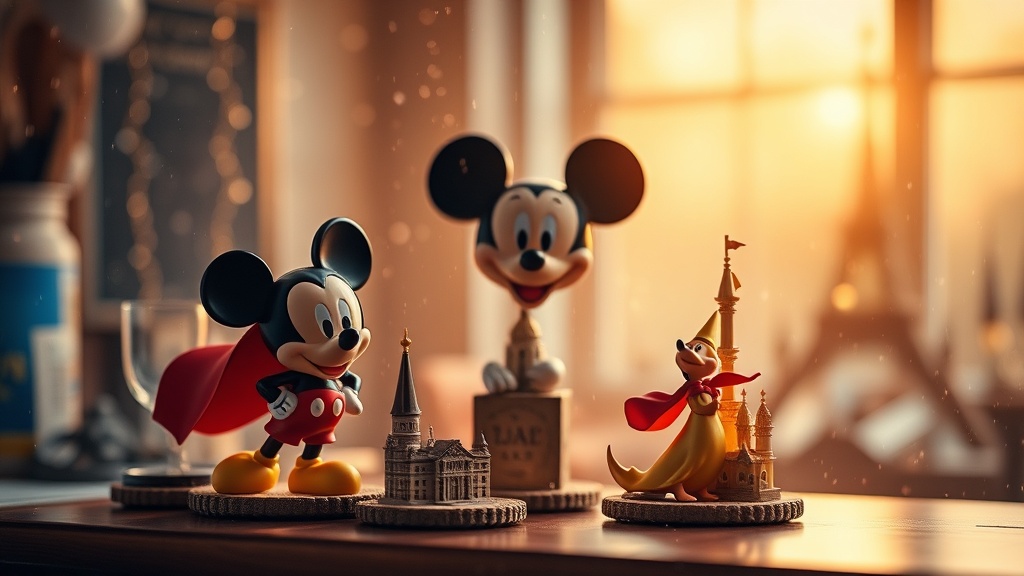
How to Ship Disney Collectibles Without a Single Scratch

Here's something that might make you wince: approximately 1 in 10 packages handled by major carriers experiences some form of mishandling during transit. For Disney collectors—many of whom have waited months for a limited-release Figment figure or hunted down a retired park-exclusive pin—that statistic is terrifying. Whether you're selling a duplicate on eBay, trading with a fellow collector in another state, or sending a gift to a Disney-loving friend, knowing how to properly pack your treasures isn't just helpful. It's the difference between joy and heartbreak when that box arrives.
This guide covers everything you need to know about shipping different types of Disney collectibles. We'll walk through specific techniques for fragile figurines, strategies for protecting pins and small items, and the packing materials that actually work (versus the ones that just look protective). By the end, you'll have a system that keeps your collectibles safe—no matter how rough the postal service gets.
What's the Best Way to Ship Fragile Disney Figurines?
Disney figurines—whether they're Jim Shore collectibles, Precious Moments collaborations, or limited-edition park releases—share one trait: they're surprisingly fragile. The painted details, delicate extremities, and ceramic or resin materials don't mix well with drops, bumps, or crushing weight.
Start with the box-in-box method—and yes, it's exactly what it sounds like. Place your figurine in a smaller box first, surrounded by at least two inches of cushioning on all sides. Bubble wrap works well, but don't just wad it up. Wrap the figurine completely, securing the wrap with tape so it doesn't shift. Then place this smaller box inside a larger shipping box with another two inches of padding between the boxes.
Why two boxes? Because the outer box absorbs the abuse. When a 20-pound package gets dropped on yours (and it happens), that outer box takes the impact. The inner box—your figurine's immediate environment—stays relatively untouched. Think of it like a car's crumple zone, but for your Disney Store treasures.
For extra protection, consider the suspension method for particularly valuable pieces. Use sturdy cardboard to create a cradle that holds the figurine suspended in the center of the box, surrounded by air and padding on all sides. It requires more work, but for that signed artist proof or convention-exclusive piece? Worth every minute.
Don't forget to mark your package FRAGILE on all sides—but here's the reality check: those stickers help, but they don't guarantee gentle handling. Your packing needs to survive a fall from waist height onto concrete. If you're not confident it would, add more padding.
How Do You Protect Disney Pins During Shipping?
Pins might seem easier to ship than figurines—after all, they're small and metal, right? But pin collectors know the real enemies: scratches on the enamel, bent posts, and those heart-stopping moments when a rubber Mickey back pops off and disappears into the packaging abyss.
For individual pins or small sets, cardboard sandwiching works beautifully. Place pins between two pieces of stiff cardboard (cereal boxes work in a pinch, but priority mail cardboard is better), securing them with painter's tape that won't damage the pin backings. Then slide this cardboard into a bubble mailer with extra bubble wrap.
For larger pin collections or traders sending multiple pins, consider pin pages in binders. Place the pins in trading card sleeves or dedicated pin pages, then sandwich the entire page between cardboard. This keeps pins from touching each other—critical for preventing enamel scratches—and gives you a professional presentation when the recipient opens the package.
One pro tip from seasoned traders: include a business card or note with your username and trading details inside the package. The Disney Pin Trading community thrives on reputation, and that extra touch helps build yours.
Never ship pins in plain paper envelopes without rigid protection. The postal sorting machines will destroy them. And those cute padded envelopes? They're not enough on their own. Always add cardboard backing.
What Shipping Supplies Do Collectors Actually Recommend?
Walk into any shipping supply store and you'll face an overwhelming wall of options. Here's what Disney collectors swear by after years of trial and error (and unfortunately, some damaged items).
Bubble wrap is non-negotiable, but quality matters. Small bubbles (3/16 inch) work best for most collectibles—they conform to shapes better and provide more consistent protection than large bubbles. Save the big bubbles (1/2 inch) for truly massive items or filling large void spaces.
Packing peanuts are controversial in collector circles. They work for filling space, but they're messy, bad for the environment, and can shift during transit leaving items unprotected. If you must use them, combine them with other cushioning. Better alternatives include crumpled craft paper (sturdier than newspaper), air pillows (great for filling space), or foam sheets (excellent for wrapping).
For boxes, new is better than recycled when shipping valuable collectibles. Used boxes have already absorbed stress—they're weaker. The USPS Priority Mail boxes are surprisingly sturdy and free, though their sizes can be limiting. For odd-shaped Disney items (think those massive collectible mugs or awkwardly shaped plush), U-Haul's boxes come in more varied dimensions.
Don't cheap out on packing tape. That dollar-store tape will fail you—usually right when your package is being sorted. Invest in a quality tape gun and genuine reinforced packing tape. The H pattern (tape across the middle seam, then tape the edges) keeps boxes sealed even under pressure.
How Should You Handle Limited Editions and High-Value Items?
When you're shipping that limited edition of 500 Disney Designer Collection doll or a vintage Disneyland map worth hundreds, standard packing isn't enough. You need a strategy.
First, photograph everything before you pack. Take clear photos of the item from multiple angles, then photograph the packing process. If damage occurs in transit, this documentation is invaluable for insurance claims—and yes, you absolutely should insure high-value items.
For insurance purposes, use declared value coverage through your carrier—not just "insurance." USPS, UPS, and FedEx all offer this, though coverage limits and costs vary. For items over $500, consider third-party shipping insurance which often provides better rates and easier claims processes.
Signature confirmation is your friend for anything over $100. It costs extra (usually $3-4), but it ensures your package doesn't sit on a porch tempting thieves—or get returned because the recipient wasn't home. For truly valuable items ($500+), require adult signature.
Consider double-boxing with a twist: place a descriptive label inside the inner box that reads "Contains: [Item Description]" with your contact information. If the outer box is damaged and opened by postal inspectors, they'll know what they're handling and how to reach you.
What About International Shipping for Disney Collectibles?
The global Disney collecting community is massive—and sometimes that perfect piece is in Tokyo, Paris, or Hong Kong. International shipping adds layers of complexity, but it's absolutely manageable with the right approach.
Customs declarations must be accurate and detailed. Don't write "toy" or "gift"—write "Disney collectible figurine" or "Disney trading pin collection." Be honest about value; under-declaring to save on duties is customs fraud and can result in confiscation. Include a copy of the receipt or a printout of the sale listing inside the package.
International packages face longer transit times and more handling. Over-pack for these journeys. That figurine that survived a cross-country trip might not survive three weeks in transit with multiple customs inspections. Add extra cushioning and consider moisture-absorbing packets for long journeys to humid destinations.
Be aware that some items can't be shipped internationally. Disney plush containing organic materials (certain types of stuffing, seeds in vintage items) may face agricultural restrictions. Electronics like those Limited Edition talking dolls might require special handling. Check your destination country's restrictions before shipping.
Finally, factor in tracking and delivery confirmation. International First Class has limited tracking; Priority Mail International and Express Mail International provide much better visibility. For peace of mind with valuable items, the extra cost is worth it.
Shipping Mistakes That Cost Collectors Dearly
Before you seal that box, double-check you're not making these common errors. Using old Amazon boxes without covering barcodes—scanning errors can send your package to the wrong destination. Forgetting to include a packing list inside—if the outer label is damaged, postal workers need another way to identify contents. Using scotch tape instead of packing tape—it won't hold. Shipping without tracking—you'll never know what happened when the recipient claims non-delivery.
And perhaps the most painful mistake: underestimating weight and dimensions. Carriers charge for dimensional weight now—meaning a large, light box might cost more than a small, heavy one. Use a postage scale (a $20 investment that pays for itself quickly) and measure carefully to avoid surprise charges or packages returned for insufficient postage.
Remember, every collector was a shipping novice once. The packages you send today help build your reputation in this community tomorrow. Pack with care, ship with confidence, and may every box arrive as magical as the treasures inside.