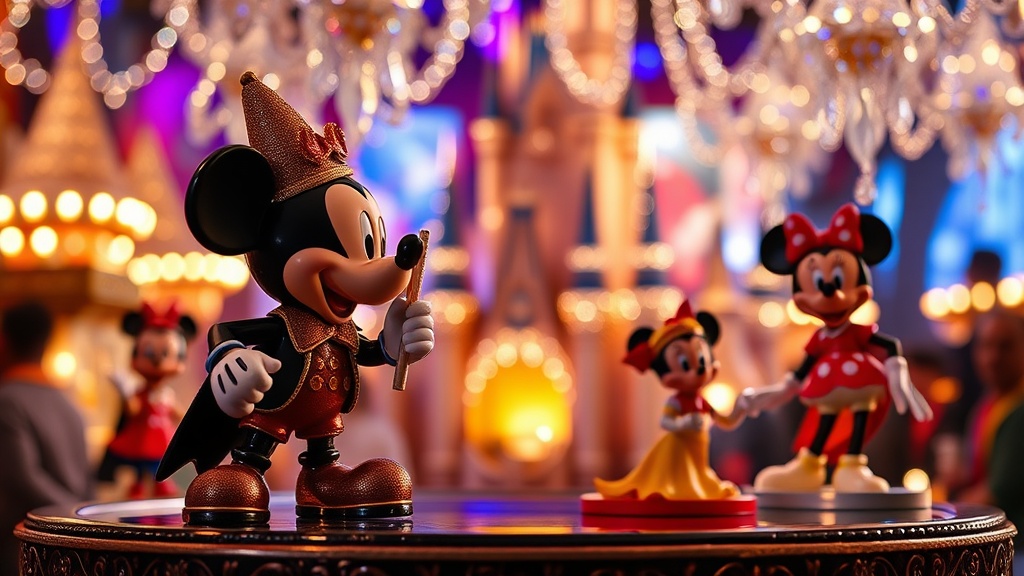
Beyond the Bling: Uncovering Disney Collectibles That Truly Stand Out

Beyond the Bling: Uncovering Disney Collectibles That Truly Stand Out
Did you know that in 2017, a single, rare Disney poster from 1933 featuring Mickey Mouse sold for an astonishing $101,500? That’s more than many homes! This remarkable sale underscores a powerful truth about Disney collecting: the real value, and often the most compelling stories, aren't always found in the obvious places. This guide is for the dedicated Disney enthusiast, the collector who's ready to look past the readily available and unearth pieces that hold genuine historical weight, artistic merit, or simply a unique connection to the magic we adore. We’re venturing into the less-traveled paths of Disney collecting, focusing on items that offer a deeper dive into the company's rich legacy and bring an unparalleled sense of discovery to your display.
Forget the predictable. Today, we’re spotlighting categories of Disneyana that often fly under the radar, yet command respect and appreciation from seasoned collectors. These aren't just trinkets; they're tangible fragments of Disney history, design innovation, and cultural impact. If you're seeking to diversify your collection with items that provoke conversation and tell a more nuanced story, you've come to the right place. Let's explore some truly exceptional areas of Disney collecting.
What Kind of Disney Collectibles Hold Hidden Value?
Many collectors focus on the highly visible — the latest limited edition pins, theme park exclusives, or popular character figurines. While those certainly have their place, real hidden value often lies in items that reflect a specific moment in Disney's expansive timeline, showcase unique artistic contributions, or were produced in very limited quantities for a specialized audience. Think about the era before mass merchandising, when promotional items were scarce, or pieces created for internal use within the Disney studios or parks. These aren't always shiny or new; sometimes, their charm comes from their age and the tales they tell. Original artwork, early animation tools, and very first iterations of park merchandise can command significant attention from discerning collectors. It’s about provenance, rarity, and historical significance over pure aesthetic appeal sometimes.
One such category is vintage Disney park ephemera. While pins and figurines are popular, items like original park maps, brochures, ride blueprints, or even employee costumes from the early days of Disneyland or Walt Disney World are remarkably scarce. These pieces offer an intimate glimpse into the park's operational history and initial vision. Imagine holding a 1955 Disneyland opening day souvenir program—it’s not just paper; it’s a direct connection to that seminal moment. Authenticity is key here, of course. For instance, early park tickets with unique design elements or even staff name tags from significant historical periods can be surprisingly valuable. These aren't mass-produced items; they’re snippets of history that capture the essence of the parks as they evolved. The wear and tear on these items often adds to their charm, serving as a testament to their journey through time.
Where Can I Find Less Common Disney Memorabilia?
Finding these hidden gems requires a different approach than simply visiting a Disney Store or checking online retailers. You'll need to think like an archaeologist, digging into less obvious sources. Estate sales, specialized antique shops (not just general ones), vintage toy shows, and particularly dedicated online forums or auction houses catering to animation and historical memorabilia are excellent starting points. Oftentimes, these items surface when families downsize or liquidate collections passed down through generations. Building relationships with antique dealers who specialize in entertainment memorabilia can also yield incredible results; they're often the first to know when a significant collection comes to market. Patience and persistence are absolutely crucial here.
Another avenue to explore involves connecting with former Disney cast members or their families. These individuals sometimes possess unique items that were never intended for public sale – awards, internal communications, prototype merchandise, or personalized gifts from Walt Disney himself. These are often the holy grail of collecting, offering unparalleled insight into the internal workings and culture of the company during its formative years. Websites like Heritage Auctions, known for their specialized collectibles, frequently feature high-value Disney animation art, rare posters, and historical documents. Similarly, academic institutions or museums with animation archives can sometimes provide leads on where similar items might be found, although they primarily serve as repositories rather than sales points. It truly is about casting a wide net and being prepared to follow obscure leads.
Online, eBay can still be a treasure trove, but you must be discerning. Learn to identify reputable sellers and scrutinize item descriptions and photographs carefully. Terms like “vintage,” “rare,” and “prototype” are often overused, so it’s your responsibility to do the research. More specialized platforms like LiveAuctioneers or specific animation art galleries often curate their offerings, making it easier to find authentic, high-quality pieces. Always verify provenance when possible—a story behind a piece can significantly enhance its value and appeal. Don’t be afraid to ask sellers for detailed histories or additional photographs; a legitimate seller will be happy to provide them.
How Do I Authenticate and Care for Rare Disney Collectibles?
Authenticating rare Disney collectibles can be complex and often requires expert knowledge. For animation art, look for production markings, studio stamps, or certificates of authenticity from reputable galleries or archives. Understanding the specific characteristics of different animation periods—cel types, paint styles, and background art techniques—is invaluable. Books by animation historians and specialized collecting guides can be incredibly helpful resources. For park memorabilia, compare items against known examples from historical archives or consult with collectors who specialize in that particular era. For instance, the